If you’re like most people, you probably spend a significant amount of time indoors, whether it’s at home, at work, or at other indoor spaces. But have you ever stopped to think about the quality of the air you’re breathing in these environments? The truth is, the air we breathe can have a significant impact on our health and well-being. That’s why a home air quality inspection is so important.
Understanding Home Air Quality
Before we delve into the importance of a home air quality inspection, let’s first explore what exactly home air quality means. In simple terms, home air quality refers to the purity and cleanliness of the air inside your home. It encompasses various factors, including the presence of pollutants, humidity levels, and proper ventilation.
When considering home air quality, it’s essential to understand that the air we breathe indoors can have a significant impact on our health and well-being. Poor air quality can lead to a range of health issues, from respiratory problems and allergies to more severe conditions like asthma and even cardiovascular diseases. Therefore, maintaining good indoor air quality is crucial for creating a healthy living environment for you and your family.
Defining Home Air Quality
Home air quality can be defined as the overall condition of the air within your living space. It takes into account the concentration of harmful substances, such as allergens, dust, mold spores, and volatile organic compounds (VOCs). These pollutants can originate from various sources, including outdoor air, household products, and activities.
Furthermore, understanding the composition of indoor air is vital in assessing its quality. In addition to common pollutants like dust and pet dander, indoor air can also contain more harmful substances such as radon and asbestos, which pose serious health risks when present in elevated levels. Regular monitoring and testing of indoor air quality can help identify these pollutants and mitigate their effects on your health.
Factors Affecting Indoor Air Quality
Several factors can influence the quality of the air in your home. Some common factors include inadequate ventilation, improper use of household chemicals, poor insulation, and the presence of moisture or water damage. Additionally, factors such as smoking, pet dander, and inadequate cleaning practices can also contribute to poor indoor air quality.
Moreover, the design and age of your home can also play a significant role in determining indoor air quality. Older homes may have issues with lead paint or outdated insulation materials, while newer homes could contain volatile organic compounds (VOCs) from fresh construction materials. Understanding these factors and their potential impact on air quality is essential for creating a healthy and safe living environment for you and your loved ones.
The Health Implications of Poor Air Quality
Poor air quality can have a wide range of negative effects on your health. Short-term exposure to pollutants can lead to various symptoms, such as allergic reactions, respiratory issues, and eye irritation. Prolonged exposure to poor indoor air quality can have even more severe consequences. Let’s explore some common health problems associated with poor air quality.
It’s important to note that poor air quality is not just an outdoor concern. Indoor air quality can also be compromised by factors such as inadequate ventilation, high humidity levels, and the presence of pollutants from sources like cleaning products and building materials. In fact, according to the Environmental Protection Agency (EPA), indoor air can be two to five times more polluted than outdoor air, highlighting the significance of addressing indoor air quality issues.
Common Health Problems Associated with Poor Air Quality
One of the most common health problems resulting from poor air quality is allergies. Dust mites, mold spores, and pet dander can trigger allergic reactions, causing symptoms like sneezing, coughing, and itching. Additionally, poor air quality can exacerbate existing respiratory conditions, such as asthma and chronic obstructive pulmonary disease (COPD).
Furthermore, poor air quality can also impact the cardiovascular system, increasing the risk of heart attacks, strokes, and other cardiovascular issues. Fine particulate matter, a common air pollutant, can enter the bloodstream through the lungs and contribute to the development of cardiovascular diseases over time. This highlights the interconnected nature of air quality and overall health, emphasizing the importance of addressing air quality concerns for the well-being of individuals.
Long-Term Effects of Poor Indoor Air Quality
Long-term exposure to poor indoor air quality can have more serious implications for your health. Studies have linked prolonged exposure to certain air pollutants with an increased risk of developing respiratory diseases, cardiovascular problems, and even cancer. Additionally, poor air quality can have a negative impact on cognitive function and overall well-being.
The Role of a Home Air Quality Inspection
Now that we understand the importance of maintaining good air quality in our homes, let’s explore the role of a home air quality inspection. A professional inspection can help identify potential air quality issues and provide recommendations for improvement.
Indoor air quality is crucial for our health and well-being, especially since we spend a significant amount of time indoors. A home air quality inspection is a proactive step towards ensuring that the air we breathe in our homes is clean and safe. By investing in an inspection, homeowners can gain valuable insights into the quality of their indoor air and make informed decisions to create a healthier living environment.
What Does an Air Quality Inspection Involve?
An air quality inspection typically involves a comprehensive assessment of your home’s indoor air quality. A trained professional will conduct tests and measurements to determine the presence of pollutants, humidity levels, and ventilation adequacy. They may also inspect your HVAC system, check for leaks or water damage, and evaluate your household habits and potential sources of contamination.
Furthermore, the inspection may include the use of specialized equipment such as air quality monitors, humidity meters, and thermal imaging cameras to provide a detailed analysis of the indoor environment. These tools help in identifying hidden issues that may not be apparent during a visual inspection, allowing for a more thorough evaluation of the air quality in your home.
Identifying Potential Air Quality Issues
An inspection may identify visible moisture damage, possible pollution sources or ventilation concerns, but its findings depend on access, scope and methods. A visual inspection cannot establish the concentration of every pollutant. For mold, EPA says sampling is usually unnecessary when growth is visible; ask what any proposed sampling would add and how the results will be interpreted.
Addressing these issues promptly can have a significant impact on your health and comfort, as poor indoor air quality can lead to respiratory problems, allergies, and other health issues. By understanding the findings of the inspection and following the recommendations provided, homeowners can create a healthier indoor environment for themselves and their families.
Improving Your Home’s Air Quality
Once you’ve identified potential air quality issues through an inspection, it’s crucial to take action to improve your home’s air quality. Poor indoor air quality can lead to various health issues, including respiratory problems, allergies, and even long-term complications. By implementing measures to enhance the air you breathe within your home, you can create a healthier and more comfortable living environment for you and your family.
Ensuring good air quality in your home goes beyond just cleanliness; it involves a holistic approach that addresses both the sources of pollutants and the ventilation of your living space. By following some basic steps and considering professional solutions, you can significantly enhance the air quality in your home.
Basic Steps to Improve Indoor Air Quality
- Keep your home clean and dust-free by regularly vacuuming, mopping, and wiping surfaces.
- Avoid smoking indoors and discourage others from doing so.
- Follow cleaning-product label instructions and ventilation precautions. When comparing products, look for the EPA Safer Choice label, which includes ingredient review and limits on VOC content; EPA also offers a fragrance-free designation.
- Control humidity levels by using dehumidifiers or air conditioners.
- Ensure proper ventilation by opening windows regularly and using exhaust fans in bathrooms and kitchens.
- Eliminate or minimize potential sources of pollutants, such as mold, pet dander, and dust mites.
Professional Solutions for Air Quality Improvement
In addition to the basic steps mentioned above, you may also consider seeking professional solutions for air quality improvement. These can include:
- Air purifiers or filters to remove airborne particles and allergens.
- Regular maintenance and cleaning of your HVAC system.
- Air duct cleaning to remove accumulated dust and debris.
- Sealing leaks and improving insulation to prevent the entry of outdoor pollutants.
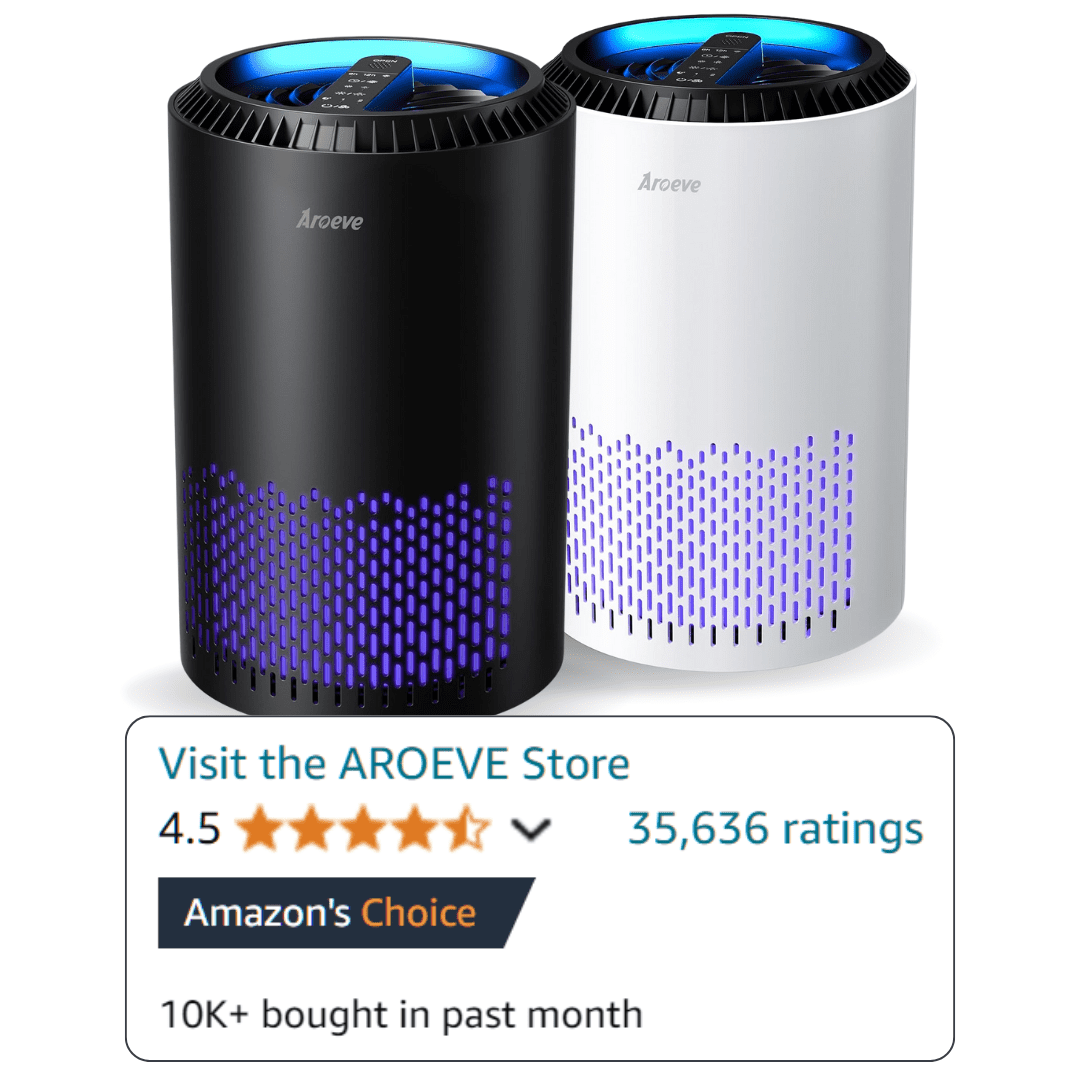
An appropriately sized and maintained particle filter can reduce airborne particles, but it does not remove every pollutant or guarantee symptom relief. EPA’s air-cleaner guide recommends matching a portable unit’s clean air delivery rate (CADR) to the room and using an HVAC filter that the system can accommodate. Continue source control and ventilation with clean outdoor air, and replace filters according to the manufacturer’s instructions.
The Economic Benefits of Air Quality Inspections
Aside from the health benefits, air quality inspections can also have financial advantages. Let’s explore some of the economic benefits associated with maintaining good air quality in your home.

Energy Efficiency and Air Quality
A well-maintained HVAC system and good indoor air quality go hand in hand. By ensuring proper ventilation and eliminating inefficiencies, you can improve the energy efficiency of your heating and cooling systems. This, in turn, can lead to lower energy bills and reduced overall energy consumption.
Budgeting for Inspection and Follow-Up
Compare the inspection fee with the work included: the site visit, any proposed sampling, laboratory analysis, written findings and follow-up. Request itemized quotes for recommended repairs or equipment separately, and prioritize documented problems rather than assuming every suggested upgrade is necessary.
Compare Home Air Quality Inspection Quotes
Before booking a home air quality inspection, compare what each provider will actually do:
- Which rooms, building systems and concerns are included in the visit?
- Does the quote include a visual inspection, measurements, sampling or laboratory analysis, and why is each proposed?
- Will you receive a written report with findings, limitations and recommended next steps?
- What are the visit fee, optional testing charges and follow-up costs?
Browse the IAQ.Works professional directory to review listed businesses and their contact details. Confirm that the company serves your address and handles your specific concern. If testing is proposed, our indoor air testing guide can help you prepare questions before paying. Directory coverage is limited; verify credentials, availability and the written scope directly with the provider.