The air in your basement is frequently of poorer quality than in the upper levels of your residence.
The unique conditions of subterranean spaces make them susceptible to a range of pollutants, from moisture and mold to radon gas and VOCs.
Taking proactive steps to control humidity, prevent mold, mitigate radon, manage allergens, and enhance ventilation will transform your basement from a potential health hazard into a clean, safe, and comfortable extension of your living space.
Investing in your basement’s air quality is an investment in the health and well-being of your entire family.
Why Basement Air Quality is Often Worse
The subterranean nature of basements creates a distinct environment prone to specific air quality issues. Several factors contribute to this phenomenon, making basements a breeding ground for various pollutants.
Humidity and Moisture
Basements are inherently susceptible to moisture accumulation due to their below-ground location. Water seepage through foundation cracks, inadequate waterproofing, and poor drainage around the home’s perimeter can lead to elevated humidity levels [1]. This constant dampness is a primary catalyst for many other air quality problems.
Mold and Mildew Growth
High humidity, especially above 60%, creates an ideal environment for mold and mildew to thrive [2]. These fungi release spores into the air, which can trigger allergic reactions, respiratory issues, and other health problems. The musty odor commonly associated with basements is a telltale sign of mold presence [1].
Radon Gas
Radon is a naturally occurring, colorless, odorless, and tasteless radioactive gas that emanates from the breakdown of uranium in soil and rock. It can infiltrate homes through cracks in foundations, gaps around pipes, and other openings in basement floors and walls [3]. The Environmental Protection Agency (EPA) estimates that radon is the leading cause of lung cancer among non-smokers [4]. Basements are particularly vulnerable to radon accumulation due to their direct contact with the soil [5].
Pests and Allergens
Basements often serve as havens for pests such as rodents and insects, which can introduce allergens and pathogens into the air. Additionally, dust mites, pet dander, and pollen tend to accumulate in basements, especially in storage areas, and can become airborne with minimal disturbance [1]. These allergens can exacerbate symptoms for individuals with allergies or asthma.
Poor Ventilation
Compared to upper floors, basements typically have limited natural ventilation due to fewer windows and restricted airflow. This lack of air exchange allows indoor pollutants to become concentrated, leading to stale air and higher levels of contaminants [1].
Off-Gassing from Stored Items
Many basements are used for storing household products like paints, solvents, cleaning agents, and pesticides. These items can release volatile organic compounds (VOCs) into the air, contributing to chemical pollution. VOCs can cause short-term effects such as eye, nose, and throat irritation, and long-term exposure can impact respiratory and neurological function [1].
References
- Is Basement Air Quality Bad? Risk Factors and Solutions – Rabbit Air
- How high is too high for basement humidity? – Reddit
- What Causes Radon in Basements & How It Enters – Radonova
- Health Risk of Radon – EPA
- Radon in Homes, Schools and Buildings – EPA
The Health Impacts of Poor Basement Air Quality
The compromised air quality in basements can have a range of adverse effects on the health of occupants, particularly for those with pre-existing respiratory conditions or sensitivities. Exposure to the various pollutants commonly found in basements can lead to both acute and chronic health problems.
Respiratory Issues: Mold spores, dust mites, and other allergens frequently found in basements can trigger or worsen respiratory conditions such as asthma, allergies, and bronchitis. Symptoms may include sneezing, coughing, wheezing, shortness of breath, and a stuffy or runny nose [6] [7] [8]. Prolonged exposure can lead to chronic respiratory problems.
Neurological and Other Symptoms: Beyond respiratory ailments, poor indoor air quality, including that found in basements, has been linked to a variety of other symptoms. These can include headaches, fatigue, difficulty concentrating, dizziness, and irritation of the eyes, nose, and throat [9]. VOCs, in particular, are known to cause such irritations and can have long-term effects on neurological function [1].
Increased Cancer Risk: The presence of radon gas is a significant health concern. As a radioactive gas, radon is the leading cause of lung cancer among non-smokers and the second leading cause overall [4] [10]. Exposure to elevated radon levels over time significantly increases the risk of developing lung cancer.
Impact on Vulnerable Populations: Children, the elderly, and individuals with compromised immune systems are particularly vulnerable to the health impacts of poor basement air quality. Their developing respiratory systems or weakened defenses make them more susceptible to infections and adverse reactions from pollutants.
References (continued)
- Basement Air Quality & Its Impact on Your Health – Stratum Repair
- Biological Pollutants’ Impact on Indoor Air Quality – EPA
- Mold allergy – Symptoms & causes – Mayo Clinic
- Indoor Air Quality – Overview – OSHA
- Health Impacts from Radon – NCDHHS
How to Improve Your Basement Air Quality: Actionable Steps
Improving basement air quality requires a multi-faceted approach, addressing the root causes of pollution. Homeowners can take several practical steps to transform their basement into a healthier space.
Control Humidity and Moisture
Controlling moisture is the cornerstone of good basement air quality. Install a high-quality dehumidifier and maintain indoor humidity levels between 30% and 50% [11]. Ensure proper exterior drainage by grading the soil away from your foundation and regularly cleaning gutters and downspouts. Seal any cracks or gaps in your foundation walls and floors to prevent water intrusion.
Prevent and Remediate Mold
If mold is present, it must be safely removed. For small areas, a solution of detergent and water can be used, but for larger infestations (greater than 10 square feet), professional mold remediation is recommended [12]. After remediation, address the moisture source to prevent recurrence. Consider using mold-resistant paints and materials if finishing your basement.
Test for Radon and Mitigate
Radon testing is crucial, especially in basements. Affordable DIY radon test kits are readily available. If elevated radon levels are detected (above 4 pCi/L), consult with a certified radon mitigation specialist. Common mitigation techniques include sub-slab depressurization systems, which draw radon from beneath the house and vent it outside [13].
Manage Pests and Allergens
Regular cleaning is essential. Vacuum your basement frequently using a vacuum cleaner equipped with a HEPA filter to capture dust mites, pet dander, and other allergens. Minimize clutter, as stored items can accumulate dust and provide hiding spots for pests. Use allergen-proof covers on mattresses and pillows if the basement is used as a living or sleeping area.
Enhance Ventilation
Improve air circulation by opening windows and doors when weather permits. Consider installing an exhaust fan to remove stale air and pollutants. Integrating your basement with your home’s HVAC system can also provide continuous airflow and air exchange. For homes without central HVAC, a dedicated basement ventilation system or an air purifier can significantly improve air quality [1].
Declutter and Organize
Reduce the amount of stored items in your basement, especially porous materials that can absorb moisture and harbor mold. Store items in airtight, elevated containers to protect them from dampness and pests. Proper organization can also make cleaning easier and more effective.
References (continued)
- How to spot basement moisture problems before they get worse – ATCOenergy
- A Brief Guide to Mold, Moisture and Your Home – EPA
- Radon Reduction Methods – EPA
Advanced Solutions for Optimal Basement Air Quality
For homeowners seeking to achieve the highest level of indoor air quality in their basements, several advanced solutions can be considered.
Whole-Home Ventilation Systems: Beyond localized exhaust fans, a whole-home ventilation system, such as an Energy Recovery Ventilator (ERV) or Heat Recovery Ventilator (HRV), can provide continuous fresh air while recovering energy. These systems are particularly effective in tightly sealed homes and can help maintain consistent air quality throughout the entire residence, including the basement.
Professional Waterproofing and Drainage: If persistent moisture issues plague your basement, investing in professional waterproofing solutions can be highly beneficial. This may involve exterior excavation and membrane installation, interior drainage systems, or sump pump installation to effectively manage groundwater and prevent seepage.
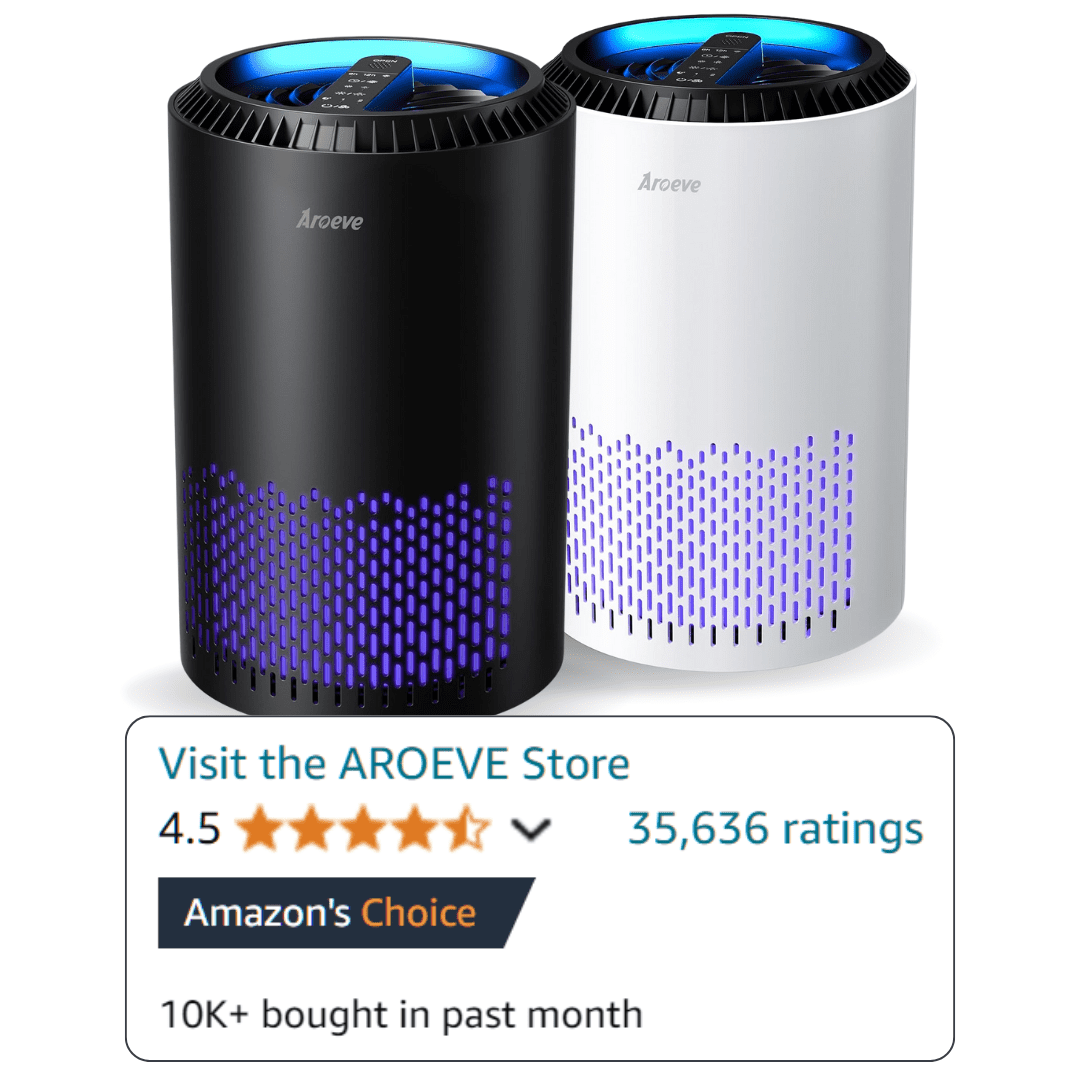
Air Purification Systems: While improving ventilation is key, a dedicated air purification system can further enhance basement air quality by filtering out airborne particles, allergens, and some VOCs. Look for purifiers with HEPA filters for particulate removal and activated carbon filters for odors and chemical gases. Some advanced systems also incorporate UV-C light for germicidal control.
Sealing and Encapsulation: For crawl spaces connected to basements, encapsulation can significantly improve air quality. This involves sealing the crawl space with a heavy-duty vapor barrier, insulating walls, and conditioning the air within the space. This prevents moisture and soil gases from entering the basement and ultimately the rest of the home.