Formaldehyde, a colorless, pungent-smelling gas, is a ubiquitous presence in many homes, often without residents even realizing it.
While naturally occurring in small amounts, elevated indoor levels can pose significant health risks, making it an invisible threat that homeowners should understand and address.
If you understand thes sources, utilize appropriate testing methods, and implement effective mitigation strategies, you can take proactive steps to safeguard your indoor environment.
Prioritize low-emission products, ensuring adequate ventilation, and employing activated carbon air purification are key to reducing formaldehyde levels.
What is Formaldehyde and Why Should You Care?
Formaldehyde is a volatile organic compound (VOC) that is a naturally occurring substance, but it is also widely used in manufacturing. Its strong preservative and adhesive properties make it valuable in various industrial applications. However, exposure to formaldehyde, even at low levels, can lead to a range of health concerns. Short-term exposure can cause irritation of the eyes, nose, throat, and skin, as well as headaches, nausea, and difficulty breathing. For individuals with asthma or other respiratory conditions, these symptoms can be exacerbated [1].
Long-term exposure to formaldehyde has been linked to more serious health issues, including an increased risk of certain cancers, particularly nasopharyngeal cancer and leukemia [2]. The U.S. Environmental Protection Agency (EPA) classifies formaldehyde as a probable human carcinogen, and the International Agency for Research on Cancer (IARC) has classified it as a known human carcinogen [1]. Children, the elderly, and individuals with pre-existing respiratory conditions are particularly vulnerable to the adverse effects of formaldehyde exposure.
Where Does Formaldehyde Come From?
Formaldehyde’s pervasive nature means it can originate from a multitude of sources within and around your home. Understanding these sources is the first step toward effective mitigation.
Building Materials and Furniture
One of the most significant contributors to indoor formaldehyde levels is composite wood products. These include plywood, particleboard, and medium-density fiberboard (MDF), which are commonly used in furniture, cabinetry, flooring, and structural components. The glues and resins used to bind wood particles together in these products often contain formaldehyde, which can off-gas into the air over time [3]. New furniture, especially items made with pressed wood, can release higher concentrations of formaldehyde initially, with emissions gradually decreasing over several months or years.
Household Products
Beyond building materials, numerous everyday household products can also be sources of formaldehyde. These include certain paints, varnishes, and finishes, particularly those that are not labeled as
low-VOC or formaldehyde-free [4]. Adhesives, glues, and some cleaning products can also contain formaldehyde. Additionally, certain fabrics and textiles, especially those treated for permanent press or wrinkle resistance, may release formaldehyde into the indoor air.
Combustion Sources
Combustion activities within the home are another significant source of formaldehyde. Tobacco smoke, for instance, is a major contributor, and smoking indoors can lead to very high concentrations of formaldehyde [5] [6]. Unvented fuel-burning appliances, such as gas stoves, kerosene heaters, and wood-burning stoves, also release formaldehyde during operation [1] [2]. Even fireplaces, if not properly vented, can contribute to indoor formaldehyde levels.
Other Sources
Formaldehyde can also be found in various other consumer products, including some cosmetics and personal care items. Furthermore, outdoor sources like automobile exhaust can infiltrate homes, especially in urban areas or homes near busy roadways, adding to the overall indoor formaldehyde burden.
How to Test for Formaldehyde in Your Home
Identifying the presence and concentration of formaldehyde in your home is crucial for effective mitigation. There are several approaches to testing, ranging from DIY kits to professional assessments.
DIY Test Kits
Do-it-yourself formaldehyde test kits offer a convenient and relatively inexpensive way to get an initial indication of formaldehyde levels. These kits typically involve passive samplers that absorb formaldehyde from the air over a period, or chemical reactions where liquids are mixed with a powder substance to indicate presence [7] [8]. Many kits require sending the sample to a laboratory for analysis, providing more accurate results than immediate color-change indicators. While DIY kits are accessible and can provide valuable preliminary data, their accuracy can vary, and they may not offer the same level of detail or precision as professional testing [9]. Examples of reputable DIY kits include those from Home Air Check and LCS Laboratory Inc. [10] [11].
Professional Testing
For a more comprehensive and accurate assessment, professional indoor air quality (IAQ) testing is recommended. This is particularly advisable if you experience persistent health symptoms, are moving into a new home, or have recently completed renovations. An IAQ consultant can utilize specialized equipment to measure formaldehyde concentrations precisely, identify potential sources, and provide detailed reports with expert recommendations for mitigation [12]. While more costly than DIY options, professional testing offers peace of mind and a thorough understanding of your home’s air quality.
How to Get Rid of Formaldehyde in Your Home
Once formaldehyde sources are identified, several strategies can be employed to reduce or eliminate its presence, creating a healthier indoor environment.
Source Removal/Reduction
The most effective way to reduce formaldehyde exposure is to eliminate or minimize its sources. When purchasing new furniture or building materials, opt for products labeled as low-VOC (volatile organic compound) or formaldehyde-free. Allow new products, especially those made with pressed wood, to off-gas in a well-ventilated area, such as a garage or outdoors, before bringing them into your living space. Avoid smoking indoors, and ensure that all fuel-burning appliances are properly vented to the outside. Regular maintenance of these appliances can also help reduce emissions.
Ventilation
Increasing ventilation is a simple yet powerful method to dilute and remove formaldehyde from indoor air. Regularly opening windows and doors, even for short periods, can significantly improve air circulation [13]. Utilize exhaust fans in kitchens and bathrooms to remove pollutants generated in these areas. For a more continuous solution, consider installing a whole-house ventilation system, such as a heat recovery ventilator (HRV) or energy recovery ventilator (ERV), which can exchange indoor air with fresh outdoor air while minimizing energy loss.
Air Purification
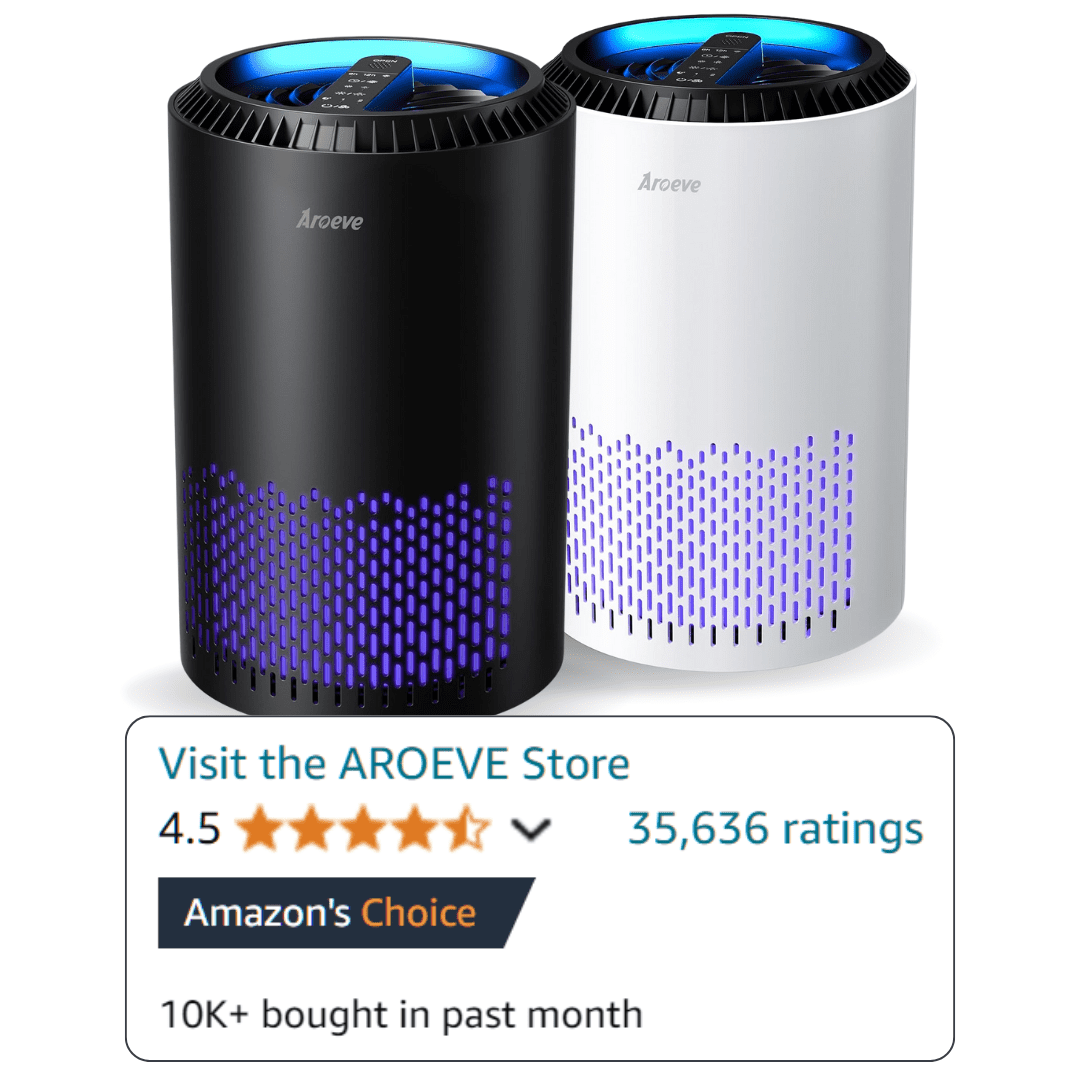
While standard HEPA filters are excellent for capturing particulate matter, they are not effective against gaseous pollutants like formaldehyde. To address formaldehyde, air purifiers equipped with activated carbon filters are essential [14]. Activated carbon effectively adsorbs VOCs, including formaldehyde, from the air. When selecting an air purifier, look for models specifically designed to remove VOCs and ensure they contain a substantial amount of activated carbon. It is important to note that air fresheners, pineapple skins, or tea leaves only mask odors and do not remove formaldehyde from the air [15].
Temperature and Humidity Control
Formaldehyde off-gassing rates are influenced by temperature and humidity. Higher temperatures and increased humidity can accelerate the release of formaldehyde from materials. Maintaining moderate indoor temperatures and humidity levels can therefore help reduce formaldehyde concentrations. Aim for a relative humidity between 30% and 50% and keep your home comfortably cool, especially when new products are present.
References
[1] U.S. Environmental Protection Agency. (2025, September 22). What should I know about formaldehyde and indoor air quality? https://www.epa.gov/indoor-air-quality-iaq/what-should-i-know-about-formaldehyde-and-indoor-air-quality
[2] American Cancer Society. (2024, September 10). Formaldehyde and Cancer Risk. https://www.cancer.org/cancer/risk-prevention/chemicals/formaldehyde.html
[3] ProPublica. (2024, December 9). How to Reduce Formaldehyde Exposure in Your Home. https://www.propublica.org/article/how-to-reduce-formaldehyde-home-exposure
[4] Molekule. (2018, June 7). Formaldehyde in Your Home: Where, What, and How. https://molekule.com/blogs/all/formaldehyde-in-your-home?srsltid=AfmBOoptYThmaffKZ4RXvWTDJhl0I1Xja5kNXiQ7t2kto9_fX1wQuH36
[5] CDC Archive. Formaldehyde in Your Home: What you need to know. https://archive.cdc.gov/www_atsdr_cdc_gov/formaldehyde/home/index.html
[6] American Lung Association. (2023, November 2). Formaldehyde. https://www.lung.org/clean-air/indoor-air/indoor-air-pollutants/formaldehyde
[7] Sarah Joy. How to Test Your Home for Formaldehyde. https://sarahjoyblog.com/how-to-test-your-home-for-formaldehyde/
[8] Amazon.com. Formaldehyde Detector (HCHO) DIY Quality Tester Kit. https://www.amazon.com/Air-Formaldehyde-HCHO-DIY-Test/dp/B077S7CXB4
[9] Home Air Check. Formaldehyde Test. https://www.homeaircheck.com/product/formaldehyde-test/
[10] LCS Laboratory Inc. Test Your Home for Formaldehyde — Reliable Lab Results from …. https://lcslaboratory.com/diy-air-testing/formaldehyde/
[11] MN Dept. of Health. (2024, October 8). Formaldehyde in Your Home. https://www.health.state.mn.us/communities/environment/air/toxins/formaldehyde.htm
[12] Smart Air Filters. (2024, February 2). The Best Way to Remove Formaldehyde and VOC …. https://smartairfilters.com/en/blog/best-way-remove-off-gas-formaldehyde-voc-chemicals-home/?srsltid=AfmBOoppGOn6dQ5uxJGTpMIXj-HLmoxN9iHKCFwKLezq0weZzcSMpNwp
[13] Reddit. (1 year ago). How to remove formaldehyde and VOCs from air? I don\’t …. https://www.reddit.com/r/AirQuality/comments/1i554pu/how_to_remove_formaldehyde_and_vocs_from_air_i/
[14] IQAir. (2018, May 25). Protection from Formaldehyde in New Home. https://www.iqair.com/us/newsroom/formaldehyde-dangers-in-new-home