The Unseen Threat: Understanding Indoor Air Pollutants
Indoor air can be significantly more polluted than outdoor air, harboring a variety of contaminants that can pose risks during pregnancy [1]. These pollutants often originate from everyday sources within your home. Understanding them is the first step toward mitigation.
Common Indoor Air Pollutants and Their Sources:
- Particulate Matter (PM2.5 and PM10): Tiny airborne particles that can penetrate deep into the lungs and even enter the bloodstream. Sources include cooking fumes, burning candles, fireplaces, tobacco smoke, and outdoor pollution seeping indoors [2]. Research has linked exposure to fine particulate air pollution with higher levels of inflammation among pregnant women, potentially leading to adverse birth outcomes [3].
- Volatile Organic Compounds (VOCs): Gases emitted from certain solids or liquids. Common sources include paints, varnishes, cleaning supplies, air fresheners, new furniture, carpeting, and building materials. VOCs can cause eye, nose, and throat irritation, headaches, and nausea [1].
- Mold and Mildew: Thrive in damp environments and release spores that can trigger allergic reactions, respiratory issues, and asthma exacerbations. Leaks, high humidity, and poor ventilation contribute to mold growth.
- Allergens: Pet dander, dust mites, and pollen (which can enter from outdoors) can cause allergic reactions and respiratory distress in sensitive individuals.
- Carbon Monoxide (CO): An odorless, colorless, and toxic gas produced by incomplete combustion. Sources include faulty furnaces, gas stoves, water heaters, and vehicle exhaust from attached garages. High levels are extremely dangerous and can be fatal.
- Radon: A naturally occurring radioactive gas that seeps into homes from the ground. It is a leading cause of lung cancer and can be particularly concerning during pregnancy.
How Poor Air Quality Impacts Pregnancy and Fetal Development
Exposure to indoor air pollutants during pregnancy has been linked to a range of adverse health outcomes for both the mother and the developing baby. Studies have shown that pregnant women exposed to high levels of air pollutants face increased risks [4].
Maternal Health Risks:
- Respiratory Issues: Increased incidence of coughing, wheezing, and exacerbation of conditions like asthma and bronchitis [5].
- Inflammation: Air pollution can lead to systemic inflammation, which is associated with various pregnancy complications [3].
- Gestational Diabetes: Exposure to air pollution early in pregnancy, and even shortly before conception, has been linked to an increased risk of developing gestational diabetes [6].
- Maternal Anemia: Some studies suggest a connection between air pollution and maternal anemia [7].
- Hypertensive Disorders: Pregnant women exposed to high levels of air pollutants are at an increased risk of maternal hypertensive disorders [4].
Fetal Development and Infant Health Risks:
- Low Birth Weight and Preterm Birth: Research consistently suggests that higher exposure to air pollution can result in lower birth weights and an increased risk of preterm and early term births [8] [9].
- Abnormal Lung Development: Exposure to pollutants can negatively impact the developing lungs of the fetus [10].
- Increased Risk of Infant Mortality: Higher rates of infant mortality have been associated with prenatal air pollution exposure [10].
- Childhood BMI: Greater exposure to certain pollutants before pregnancy has been linked to increases in childhood Body Mass Index (BMI) [11].
- Neurological Development: Some studies indicate potential impacts on neurological development, though more research is ongoing.
Actionable Steps: Improving Your Indoor Air Quality
Taking proactive steps to improve your home’s air quality is one of the most important things you can do for a healthy pregnancy. Here’s how:
1. Enhance Ventilation
- Open Windows and Doors: When outdoor air quality is good, open windows and doors for short periods daily to allow fresh air to circulate. This helps dilute indoor pollutants.
- Use Exhaust Fans: Always use exhaust fans in bathrooms and kitchens to remove moisture, cooking fumes, and odors. Ensure they vent outdoors, not into an attic.
- Maintain HVAC Systems: Regularly change HVAC filters (at least every 1-3 months) and ensure your system is well-maintained. Consider upgrading to MERV 11 or higher filters for better particle capture.
2. Control and Reduce Pollutant Sources
- Avoid Smoking Indoors: This is paramount. Secondhand smoke is extremely harmful to both mother and baby.
- Choose Low-VOC Products: Opt for low-VOC paints, cleaning supplies, and furnishings. Look for certifications like Green Seal or GREENGUARD.
- Limit Scented Products: Air fresheners, scented candles, and strong cleaning products can release VOCs. Choose unscented or naturally derived alternatives.
- Proper Cooking Ventilation: Use range hoods that vent outside when cooking, especially when frying or grilling, to remove particulate matter and fumes.
- Manage Humidity: Keep indoor humidity levels between 30-50% to prevent mold and dust mite growth. Use a dehumidifier in damp areas if necessary.
- Test for Radon: Consider testing your home for radon, especially if you live in an area with high radon potential. Mitigation systems can effectively reduce levels.
- Carbon Monoxide Detectors: Install and regularly check carbon monoxide detectors on every level of your home.
3. Utilize Air Purification
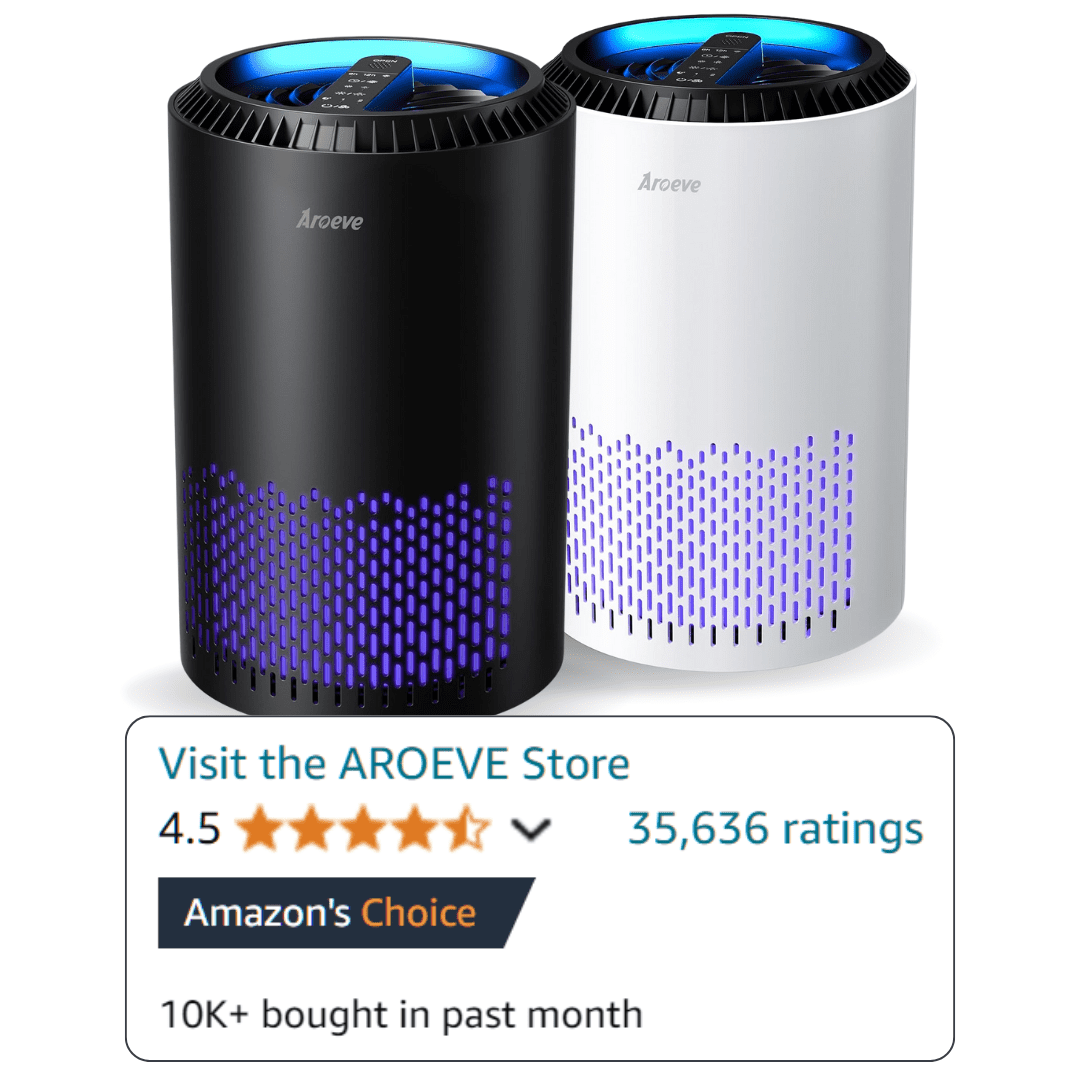
- HEPA Air Purifiers: Invest in a high-quality portable air purifier with a HEPA filter for bedrooms and other frequently used spaces. HEPA filters are highly effective at capturing particulate matter, allergens, and mold spores.
- Whole-Home Filtration: For a more comprehensive solution, consider a whole-home air filtration system integrated with your HVAC.
4. Maintain a Clean Home Environment
- Regular Cleaning: Dust and vacuum frequently using a vacuum cleaner with a HEPA filter to reduce dust mites, pet dander, and other allergens.
- Wash Bedding: Wash bedding weekly in hot water to eliminate dust mites.
- Pet Care: Bathe and groom pets regularly to reduce dander. Keep pets out of the bedroom if allergies are a concern.
5. Special Considerations
- Wildfire Smoke: During wildfire events, keep windows and doors closed. Use air conditioning with a clean filter and consider running a HEPA air purifier. Avoid activities that worsen indoor air quality, like cooking or burning candles [12].
- Seasonal Allergens: During high pollen seasons, keep windows closed and rely on air conditioning. Clean air filters frequently.
When to Seek Professional Help
While many steps can be taken DIY, some indoor air quality issues require professional assessment and remediation. If you suspect mold growth, have persistent odors, or are concerned about radon or carbon monoxide levels, it’s crucial to consult with an IAQ professional. They can conduct thorough testing, identify hidden problems, and recommend effective solutions to ensure your home is truly safe.
Your Health, Your Baby’s Future: Take Control of Your Indoor Air
Ensuring optimal indoor air quality during pregnancy is a powerful way to protect your health and give your baby the best possible start in life. By understanding the risks and implementing these actionable strategies, you can create a healthier, safer home environment.
Ready to take the next step? Explore our comprehensive IAQ.Works Contractor Directory to find local, certified professionals who can assess your home’s air quality and provide expert solutions. Or, browse our curated selection of recommended air purifiers and IAQ products to enhance your home’s environment today.
References
[1] Air quality and pregnancy. Columbia University Irving Medical Center. Available at: https://www.obgyn.columbia.edu/file/23641/download?token=R1laP4oK
[2] Joint effects of prenatal exposure to indoor air pollution and … ScienceDirect. Available at: https://www.sciencedirect.com/science/article/pii/S0013935124007266
[3] Fine particulate air pollution may play a role in adverse … Harvard T.H. Chan School of Public Health. Available at: https://hsph.harvard.edu/news/fine-particulate-air-pollution-may-play-a-role-in-adverse-birth-outcomes/
[4] AIR POLLUTION AND PREGNANCY – PMC – NIH. Available at: https://pmc.ncbi.nlm.nih.gov/articles/PMC10843016/
[5] How Air Pollution Impacts Pregnancy. American Pregnancy Association. Available at: https://americanpregnancy.org/healthy-pregnancy/pregnancy-health-wellness/how-air-pollution-impacts-pregnancy/
[6] Exposure to air pollution early in pregnancy increases risk … USC Today. Available at: https://today.usc.edu/exposure-to-air-pollution-early-in-pregnancy-increases-risk-of-gestational-diabetes-study-finds/
[7] Effects of Pollution on Pregnancy and Infants – PMC – NIH. Available at: https://pmc.ncbi.nlm.nih.gov/articles/PMC9937639/
[8] Emory study finds molecular link between air pollution and … Emory News Center. Available at: https://news.emory.edu/stories/2025/06/hs-air-pollution-and-pregnancy-risk-03-06-2025/story.html
[9] Exposure to indoor air pollution and adverse pregnancy … Frontiers in Public Health. Available at: https://www.frontiersin.org/journals/public-health/articles/10.3389/fpubh.2024.1356830/full
[10] 4 tips to reduce air pollution risks during pregnancy. UT Southwestern Medical Center. Available at: https://utswmed.org/medblog/4-tips-reduce-air-pollution-risks-during-pregnancy/
[11] Exposure to air pollution before pregnancy linked to higher … Keck Medicine of USC. Available at: https://keck.usc.edu/news/exposure-to-air-pollution-before-pregnancy-linked-to-higher-child-body-mass-index-study-finds/
[12] Wildfire Smoke and Pregnancy. EPA. Available at: https://www.epa.gov/children/wildfire-smoke-and-pregnancy