A MERV 13 filter can capture a greater share of small airborne particles than lower-rated filters. Whether it is a suitable replacement depends on your HVAC system and the specific filter.
This guide explains what the rating measures, what it cannot promise, and what to check before buying a filter.
The Importance of Choosing The Right Air Filter
HVAC filters capture particles from air that passes through them while the system runs. They cannot eliminate every indoor pollutant. Most household furnace filters target particles, so a MERV rating does not establish protection against gases such as carbon monoxide.
What can filtration do? It can supplement source control and ventilation with clean outdoor air. It does not guarantee symptom relief or eliminate health risks, and it does not fix the moisture source behind a mold problem.
Before You Buy a MERV 13 Filter
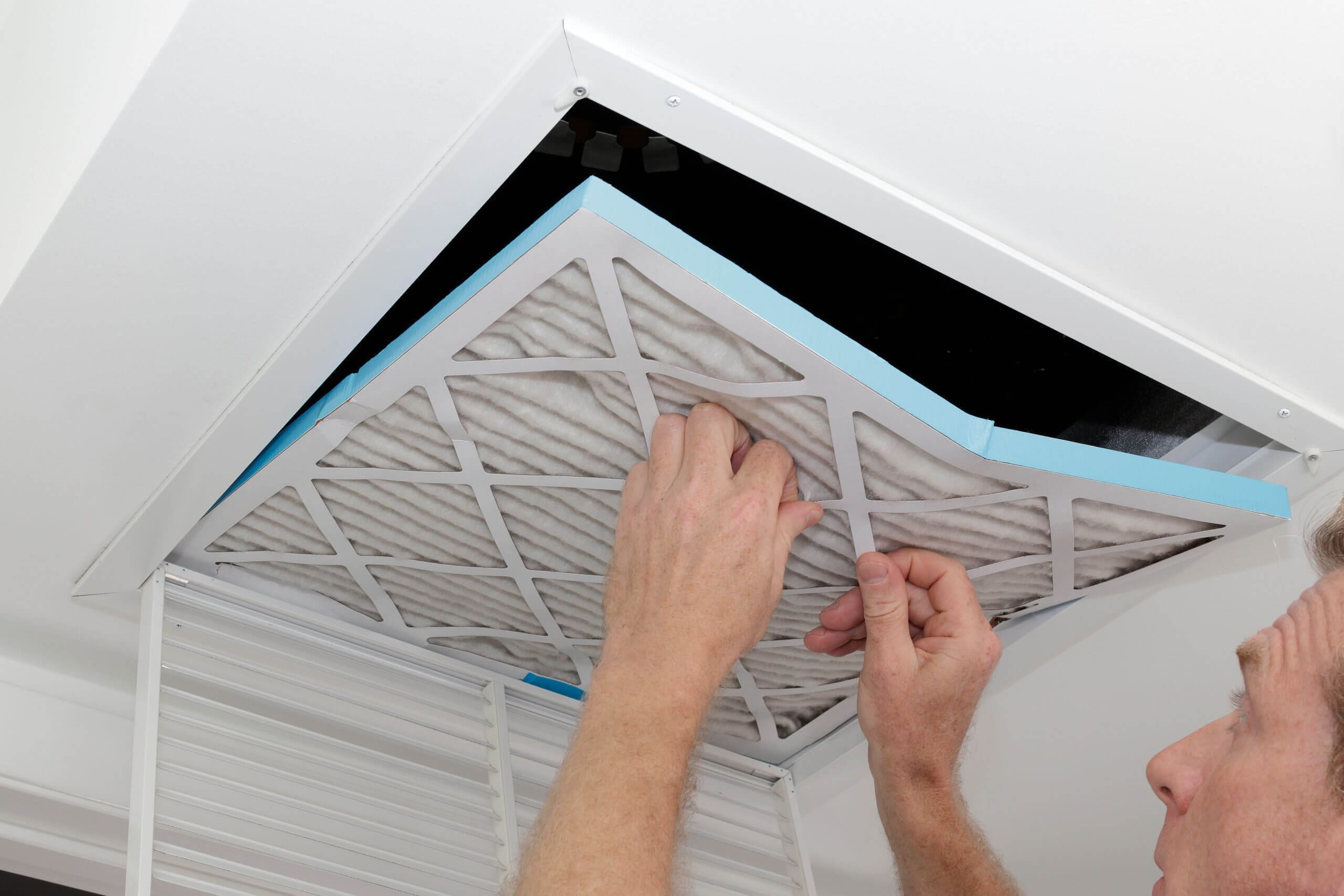
- Check size and depth. Confirm the filter fits the rack snugly without bending or crushing it.
- Check system compatibility. Follow equipment guidance. If the allowed filter rating is unclear, ask an HVAC technician before upgrading.
- Plan replacements. Follow the filter manufacturer’s instructions and include replacement costs in your comparison.
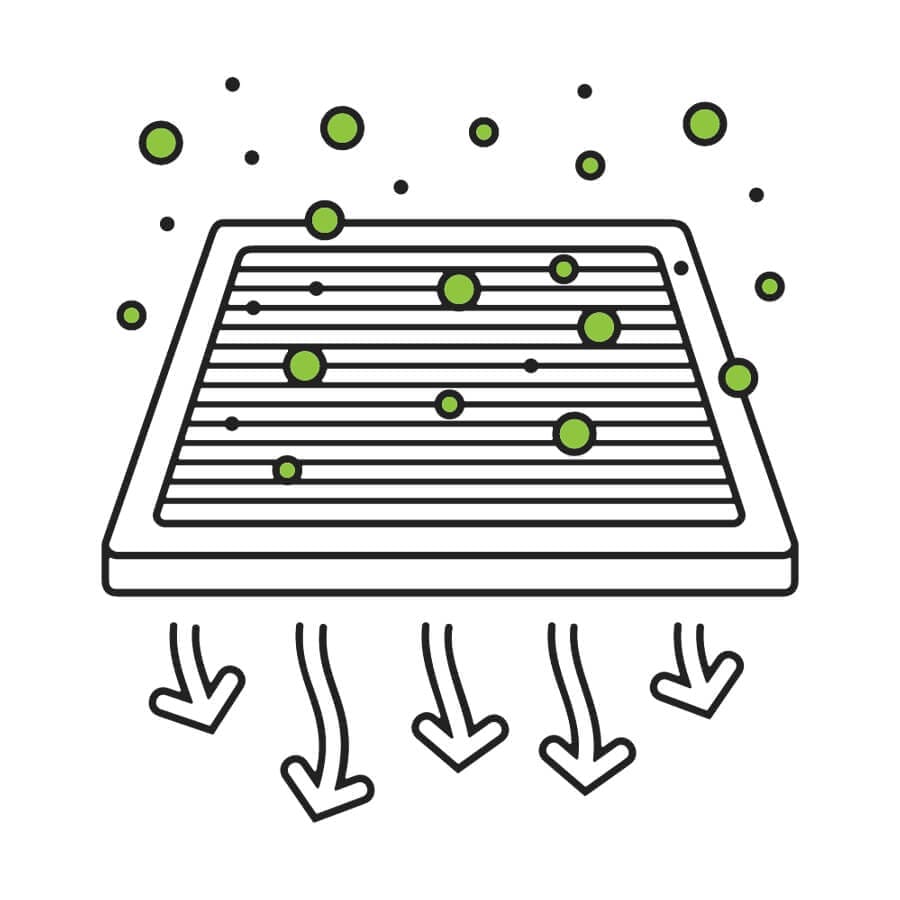 Ditch the dust and allergens! MERV 13 filters offer superior air quality by trapping microscopic particles like pollen, mold spores, and even some bacteria. Breathe easier and live healthier – Shop MERV 13 Air Filters →
What Is a MERV Rating?
MERV stands for minimum efficiency reporting value. It’s a rating system that helps measure the effectiveness of air filters. This judgment is based on how well a filter captures dust and other various particles. It’s also an easy and helpful way to choose the best filter for your home or indoor space. For those interested in a full MERV explanation, we also have a MERV rating guide that provides an in-depth MERV breakdown.
The MERV scale runs from 1 to 16 and compares capture efficiency for tested particle-size ranges. Higher ratings indicate greater particle capture, but the best choice also depends on system compatibility. MERV does not rate energy savings or filter life. See EPA’s MERV chart.

Why Use a MERV 13 Filter?
MERV 1-4: EPA’s chart lists average capture efficiency below 20% for particles in the 3-10 micron range. These ratings should not be read as a sharp particle-size cutoff.
MERV 8: The listed minimum capture efficiencies are 20% for 1-3 micron particles and 70% for 3-10 micron particles.
MERV 9-12: Capture efficiency increases across these ratings. MERV 11 and 12 also have specified minimum efficiencies in the 0.3-1 micron range: 20% and 35%, respectively.
MERV 13: EPA lists minimum capture efficiencies of 50% for 0.3-1 micron particles, 85% for 1-3 micron particles, and 90% for 3-10 micron particles. These laboratory ratings describe filter performance; they do not mean that the same percentage of all pollutants will be removed from a home.
Choose for Your System
A MERV 13 filter may suit your home if the system can accommodate it. If compatibility is unclear, ask a qualified HVAC technician which filter your system can use.
Compare particle-capture performance, compatible size and depth, replacement needs, and total cost before choosing a filter.
The ASHRAE filtration FAQ also makes filter selection conditional on the HVAC system’s capabilities. Increased filter resistance can reduce airflow, increase fan energy use, or both.
Can MERV 13 Filters Save You Money?
Savings are not guaranteed by a MERV rating. Compare purchase price, replacement frequency and any required system changes. For a specific product, such as this Zephyr filter, verify current specifications, availability and fit before buying. Do not assume a deeper filter fits an existing slot or that a higher-rated filter lasts longer.
How Often Should Home Air Filters Be Replaced?: The frequency with which you should change your home air filter depends on the type of filter, its thickness, the MERV rating, and some special conditions. Read more →
Sources & Further Reading
- ASHRAE — Filtration and Disinfection FAQ (filter selection and HVAC compatibility)
- U.S. EPA — Guide to Air Cleaners in the Home (2nd Edition)
- U.S. EPA — What Is a MERV Rating?
- ASHRAE Standard 52.2 — Method of Testing General Ventilation Air-Cleaning Devices
- NIOSH — Indoor Environmental Quality Resources